
Adult Wholesale Suppliers in China: What You Need to Know Before Placing an Order (2025)
Sourcing adult products carries unique safety and legal risks. Here is your guide to verification, compliance, and avoiding scams.
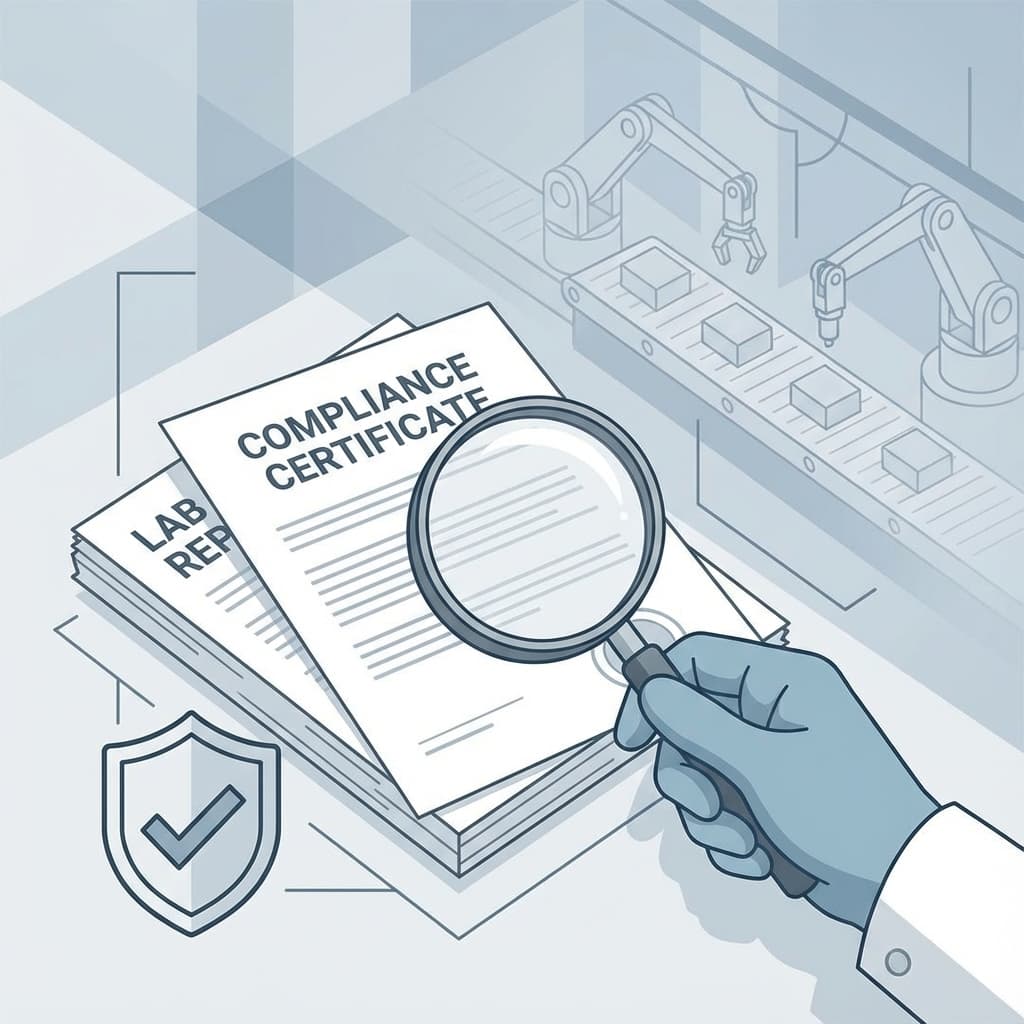
If you're looking to source adult products from China—whether you're targeting markets in the US, Europe, UK, or Australia—you've probably already realized this isn't as straightforward as buying wholesale t-shirts or phone accessories.
The adult products industry has its own unique set of challenges. Products come into intimate contact with the human body, which means material safety is critical. Regulatory requirements vary wildly between countries. And unfortunately, this industry attracts more than its fair share of dishonest suppliers who think foreign buyers are easy targets.
Let me walk you through what you actually need to know.
Why This Category Is Different
When you're sourcing standard consumer goods, the worst-case scenario is usually getting products that don't quite match your expectations. Maybe the color is a bit off, or the quality isn't great. You lose some money, learn a lesson, and move on.
With adult products, the stakes are higher.
- Material safety isn't optional. If a product contains toxic materials—phthalates, heavy metals, or unknown chemical compounds—you're not just dealing with returns and bad reviews. You could be looking at customs seizures, regulatory fines, or even legal liability if someone gets hurt.
- Compliance requirements are strict and confusing. The US has FDA requirements for certain products, plus California's Prop 65 warning labels, plus CPSIA restrictions if there's any chance minors might use the product. The EU has CE marking requirements, REACH regulations on chemical substances, and RoHS for anything electronic. The UK split off post-Brexit and now has its own UKCA marking system. Australia has TGA registration for products making therapeutic claims.
- Supplier fraud is common. Fake CE certificates, material substitution, trading companies pretending to be factories—these aren't rare exceptions. They're common enough that you need to actively protect yourself.
The good news? Once you understand the risks and know what to verify, sourcing adult products from China can work well. You just need to go in with your eyes open.
The Five Biggest Risks (And How to Avoid Them)
1. Toxic Materials & Chemical Safety
Here's a scenario that plays out more often than you'd think: You order products made from "medical-grade silicone." The samples look and feel perfect. You pay your deposit, production completes, and everything ships. Then, either you get curious and send a unit for testing, or worse—a customer has a bad reaction and you're forced to investigate.
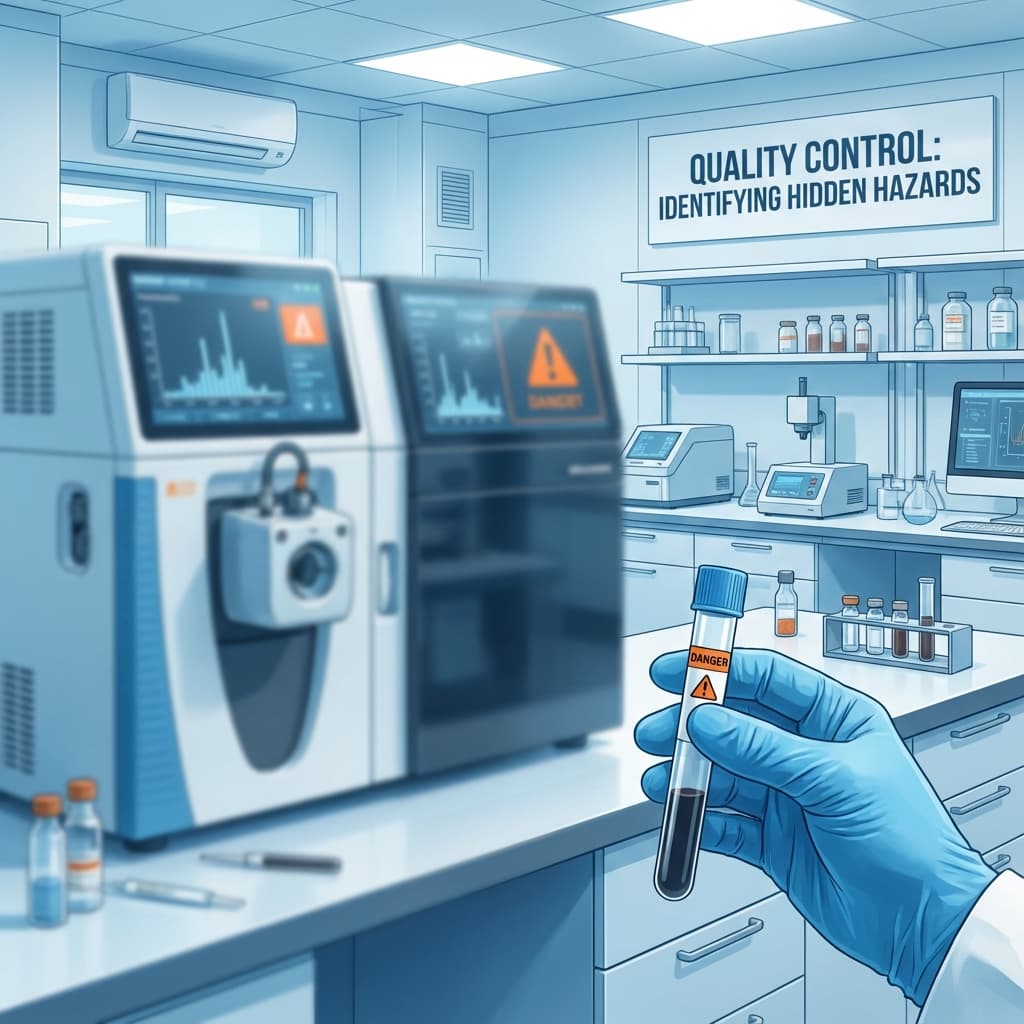
The lab results come back: not medical-grade silicone. It's cheap thermoplastic elastomer (TPE) loaded with phthalates. The material that should cost $3 per unit actually costs $0.50. The supplier pocketed the difference and gambled you wouldn't test.
How to protect yourself:
- Material specifications in your contract need to be specific. Not "medical-grade silicone"—that's too vague. You want: "100% platinum-cured medical-grade silicone, LFGB certified, certificate number [specific number] from [specific supplier]."
- Before production starts, request material certificates and verify them. Call the issuing body.
- During production, have someone take material samples and send them for independent lab testing. This costs $400-800 but can save you $100,000+.
2. Fake Certifications
I'll be direct: a significant percentage of the certifications suppliers show you are fake. Sometimes it's a complete fabrication, sometimes it's expired, and sometimes it belongs to a different company.
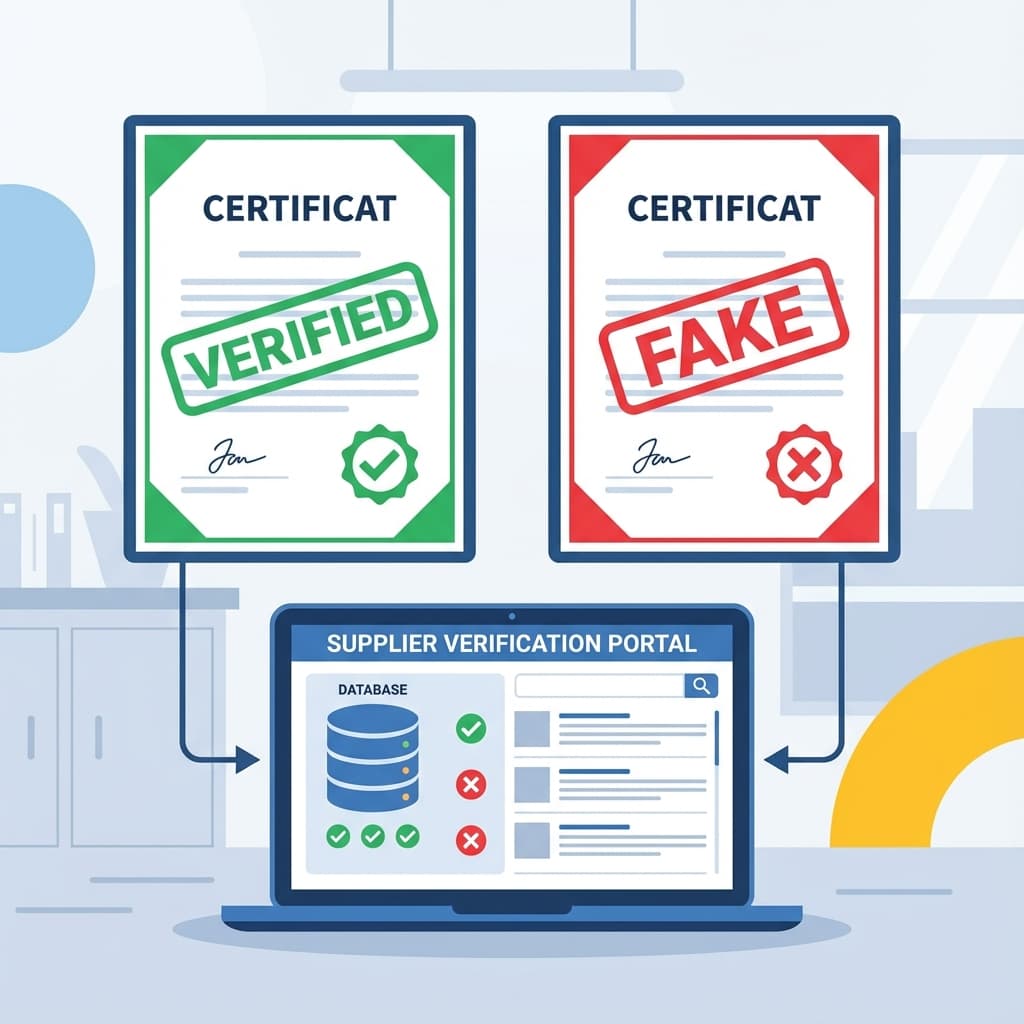
How to verify certificates:
- For CE certificates: The certificate should have a number assigned by a Notified Body. Go to the Notified Body's website and check if that number exists in their database. Ask for the technical file.
- For FDA registration: Go to the FDA's database and search for the facility registration number.
- For ISO certificates: Contact the certification body directly (TUV, BSI, SGS, etc.).
Need help verifying a supplier's certificates? Check our audit services.
3. Trading Companies Pretending to Be Factories
A lot of "suppliers" on Alibaba aren't manufacturers. They're trading companies—middlemen. This isn't necessarily bad, unless they pretend to be the factory, leaving you with no control over quality.
How to spot trading companies:
- Check their business license. In China, the business scope should include "manufacturing" (制造) if they actually make things.
- Ask detailed production questions. Real manufacturers know lead times for every specific stage.
- Request a live video call on the production floor.
4. Contract Traps
Most standard contracts are designed to protect the supplier, not you. Clauses like "minor variations are acceptable" can be disastrous.
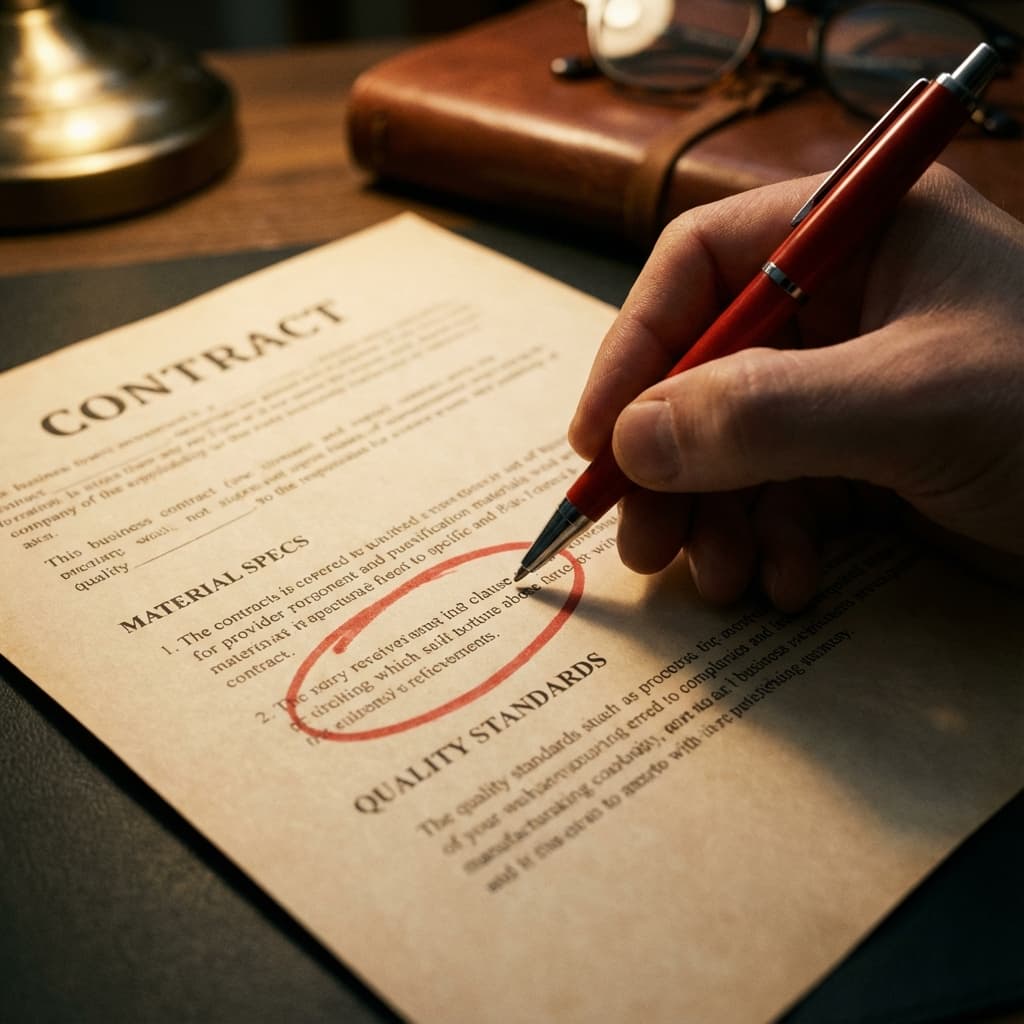
What you actually need:
- Precise specifications: Define tolerances (e.g., "50mm ±2mm").
- Refund conditions: Deposits should be refundable if tests fail.
- Neutral dispute resolution: Hong Kong or Singapore arbitration, not the supplier's hometown.
5. Material Substitution
Perfect samples, inferior production materials. This is the classic bait-and-switch.
The solution: Specify exact materials and conduct a DUPRO (During Production Inspection). If lab tests fail, production stops.
What About Compliance? (FDA, CE, UKCA)
Compliance requirements vary by market.
- US Market: FDA registration (facility), Prop 65 warnings, FCC for electronics.
- EU Market: CE marking (mandatory), REACH (chemical safety), RoHS (electronics), EU Responsible Person.
- UK Market: UKCA marking, UK Responsible Person.
- Australia: TGA registration for therapeutic claims.
Getting all certifications is expensive ($35k-$80k). Verify what your supplier already has before you commit.
How to Actually Verify a Supplier

You can't do this effectively from behind a screen.
- Check the business registration: Does the official Chinese name match? Is "Manufacturing" in the scope?
- Visit the facility (On-site Audit): Verify existence, size, and capacity. Do the math on their production lines.
- Check Quality Control: Do they have real testing equipment for hardness, waterproofing, and battery safety?
- Verify certifications on-site: Ask to see the original paper certificates and technical files.
See our pricing for on-site factory audits and background checks.
Why Local Knowledge Matters
You can't physically visit government offices or verify Chinese documents from abroad. You need someone on the ground. Think of it as insurance. Spending $500-$2,000 to verify a supplier beats losing $50,000 to a scam.
What to Do Next
- Start with one market (US or EU).
- Start with standard products to lower risk.
- Get and test samples relentlessly.
- Verify your supplier (Background check + On-site audit).
- Use inspection services before final payment.
Need help verifying your adult product supplier?
We are based in China and can help with supplier verification, contract review, and on-site audits. Don't guess—verify.
Email us:info@chinafactoryaudit.com