
China Factory Audit: Get a Clear Picture of Your Chinese Supplier Before You Pay
Based in mainland China, I help overseas buyers verify Chinese suppliers, check contracts and payment terms, and spot red flags before money leaves your account.
我常年在中国一线帮境外买家核查中国供应商、合同条款和付款安排,尽量在你付款之前把关键风险说清楚。
- Verify the real company behind your supplier profile or invoice
- Check Chinese business records, court / enforcement cases and abnormal operations
- Review contract & payment terms from the China side — bank, USDT, platform or escrow
Step-by-step: how the China factory audit & supplier check works
A comprehensive 7-step process combining remote verification, legal due diligence, and on-site checks.
Background Check & Audit Planning
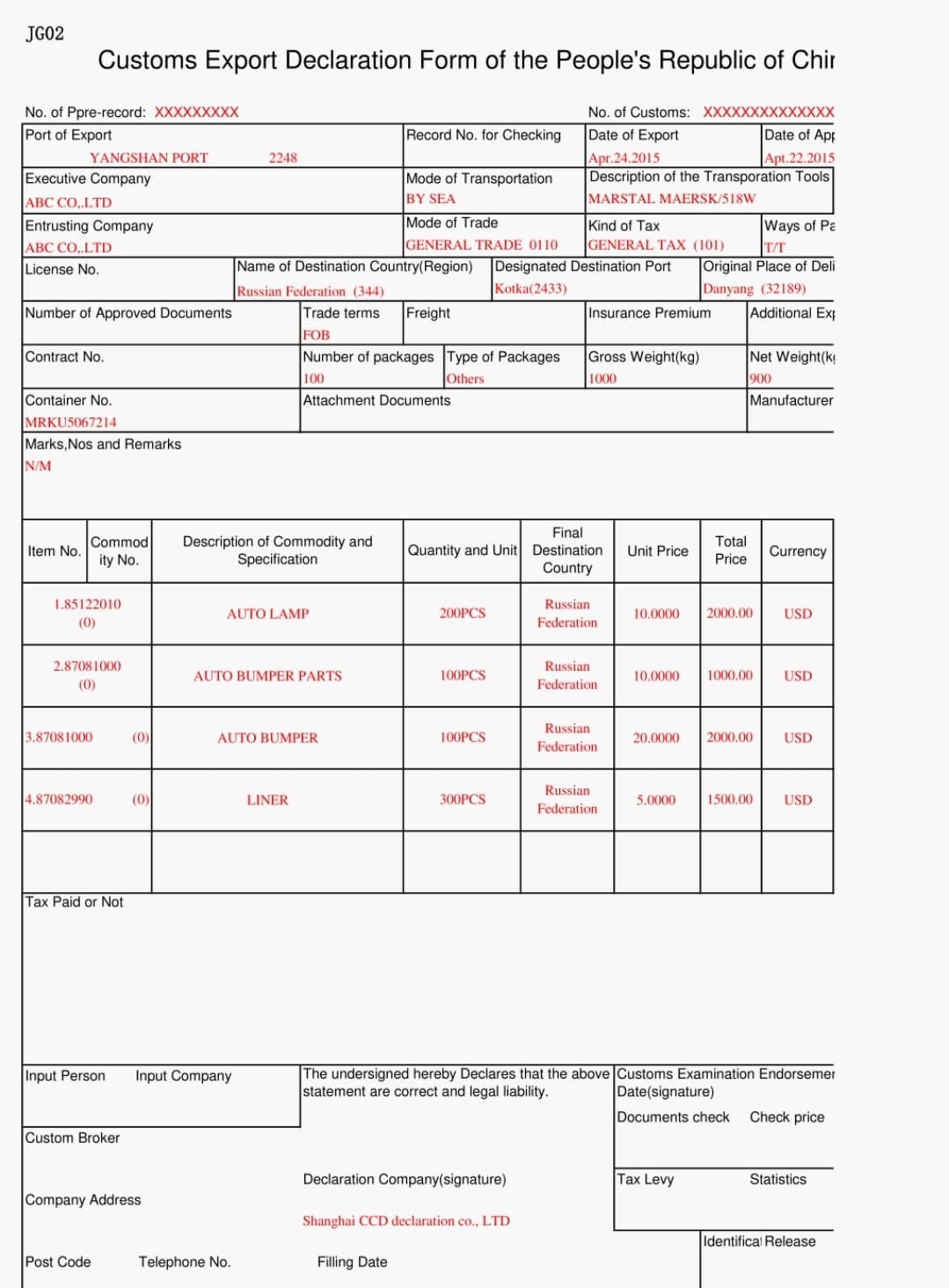
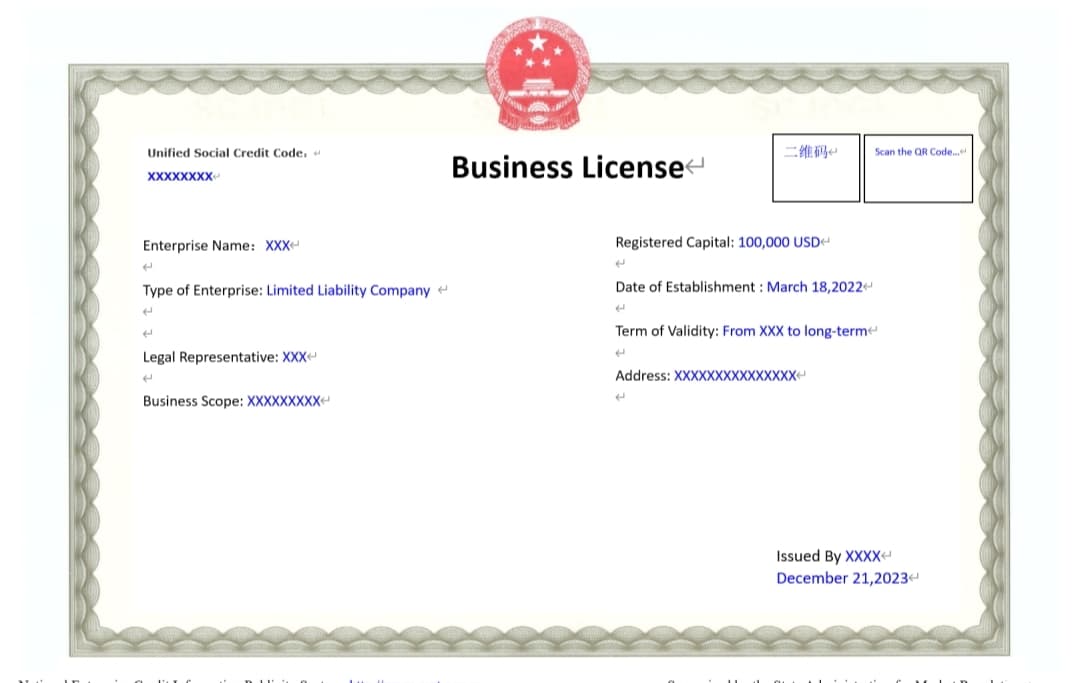
First, we run a background check on the factory using official Chinese government records. We look at their company registration file, past changes to that registration, any lawsuits, whether they’re on the “dishonest debtor” blacklist, who the legal representative and shareholders are, their registered address vs. where they actually operate, and what business activities they’re officially allowed to do. This gives us a clear picture of the factory’s history and current situation.Then we talk with you about what really matters in this cooperation. For example: how strict are your quality requirements? Do you need the factory to handle larger batch orders? Do you require them to follow any specific standards or rules? Based on your priorities, we put together a practical factory checklist tailored to your project, so our audit stays focused and organized around the things you care about most.
Upfront Risk Screening
Before we ever go on site, we run an upfront risk screening on the factory. Using Chinese government databases and big-data court records, we check their litigation history, enforcement actions, and other legal red flags. If they can’t even pass this basic check, we advise you not to move forward — saving you the cost and time of a full factory visit.
On-Site Factory & Quality Check
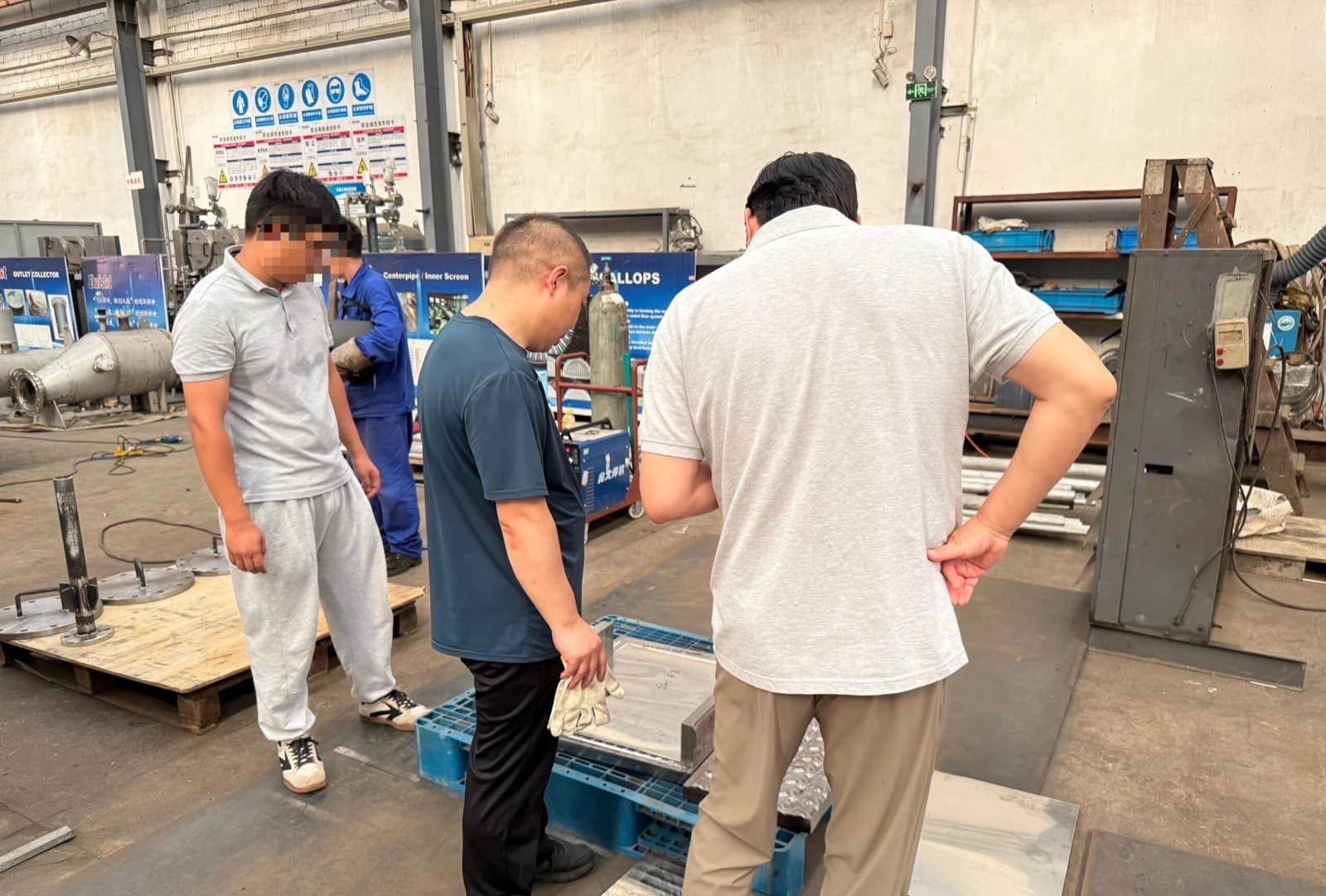
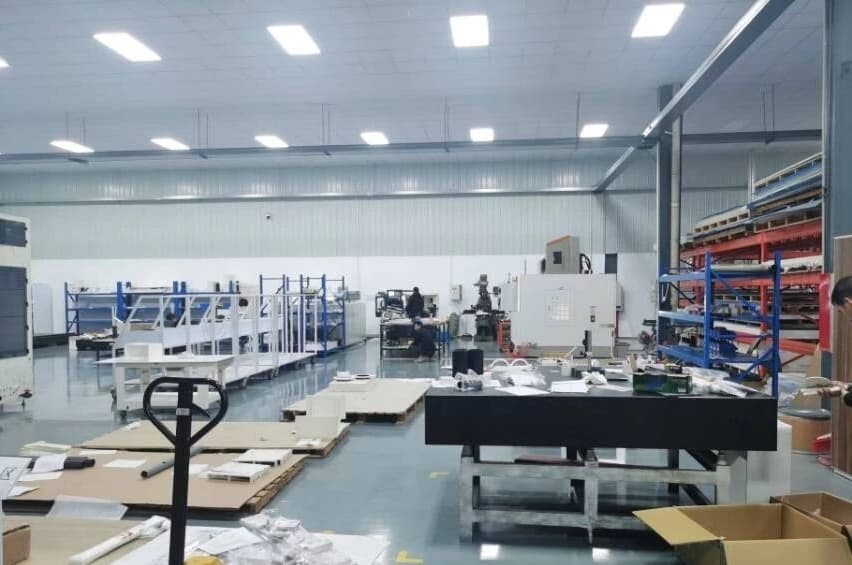
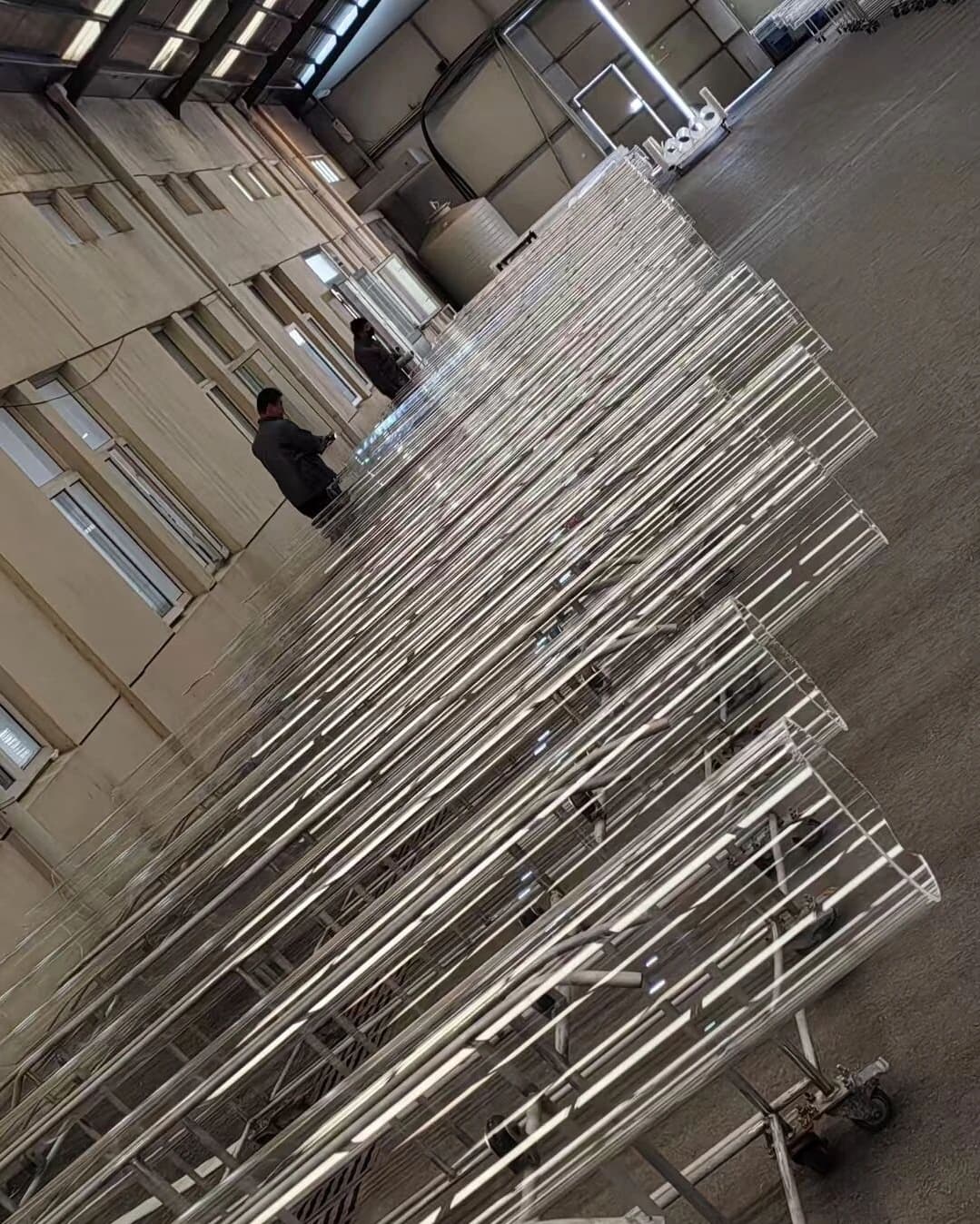
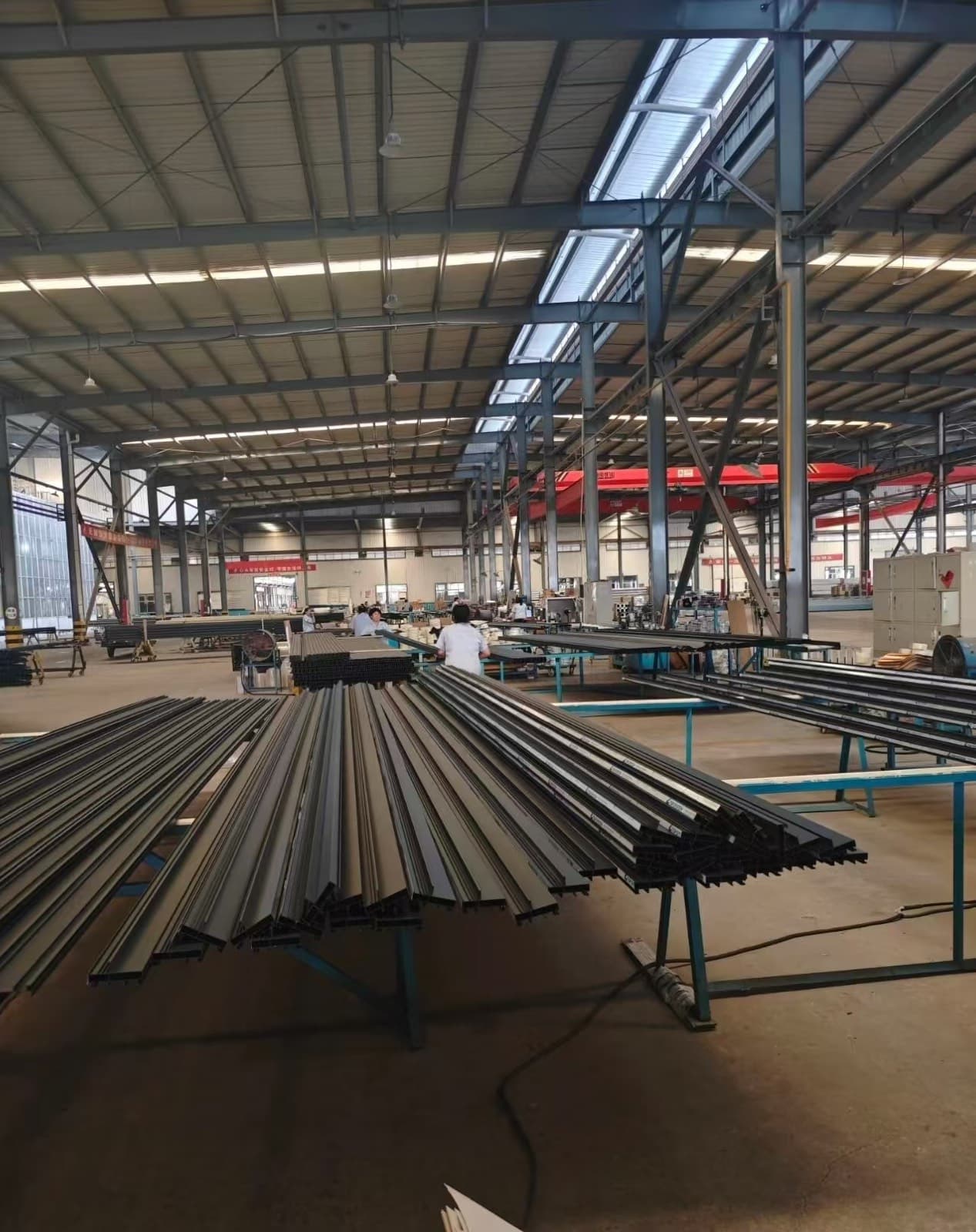
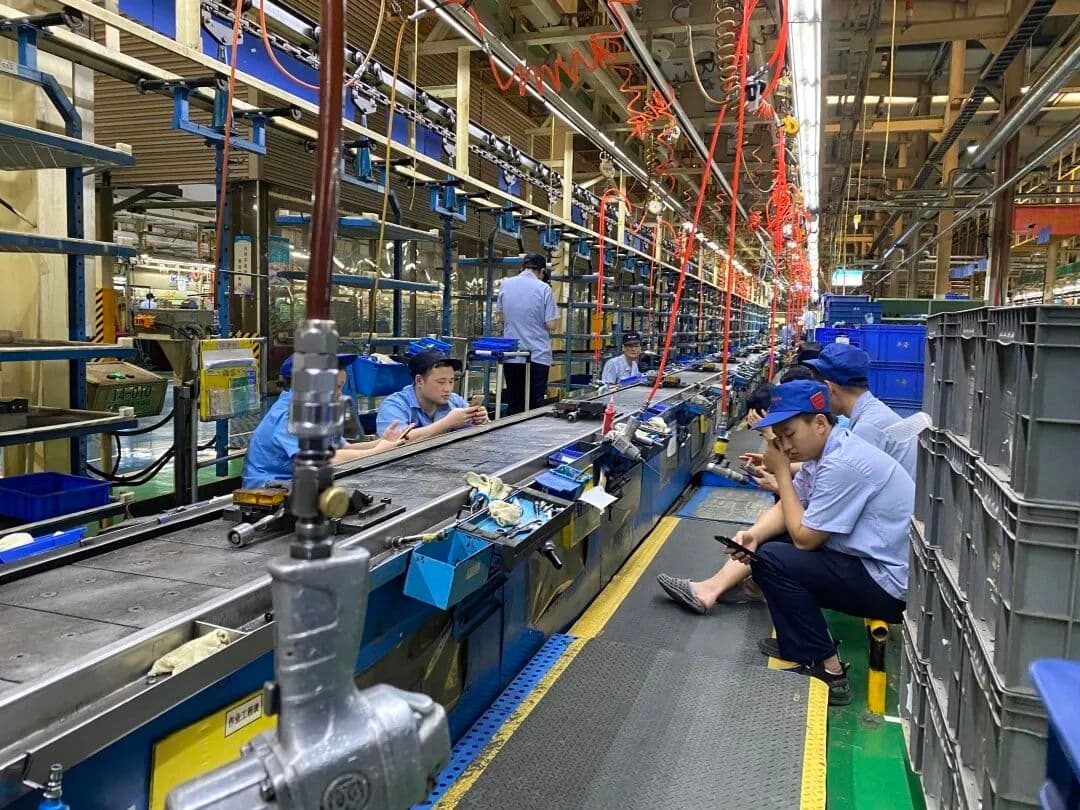
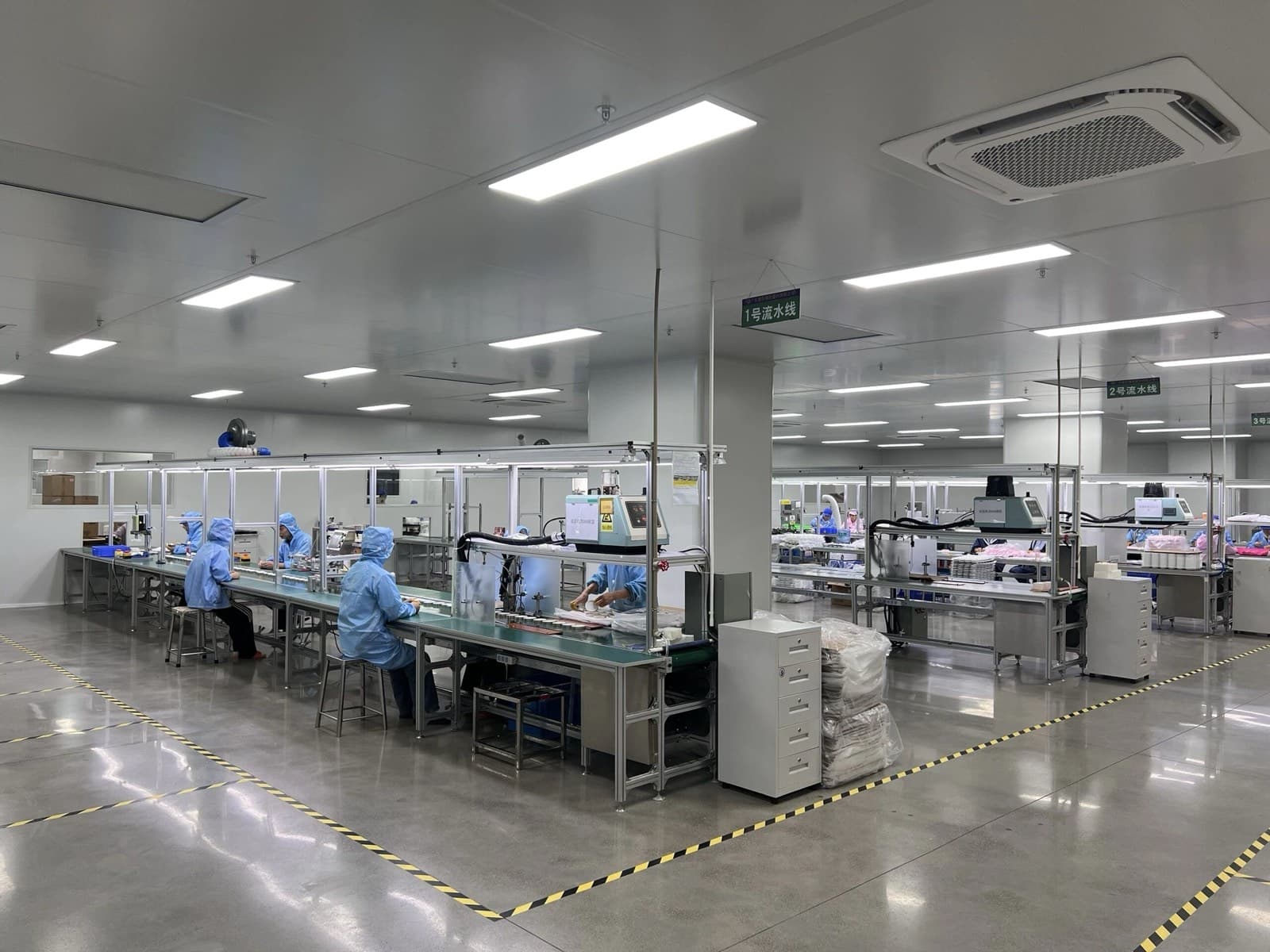
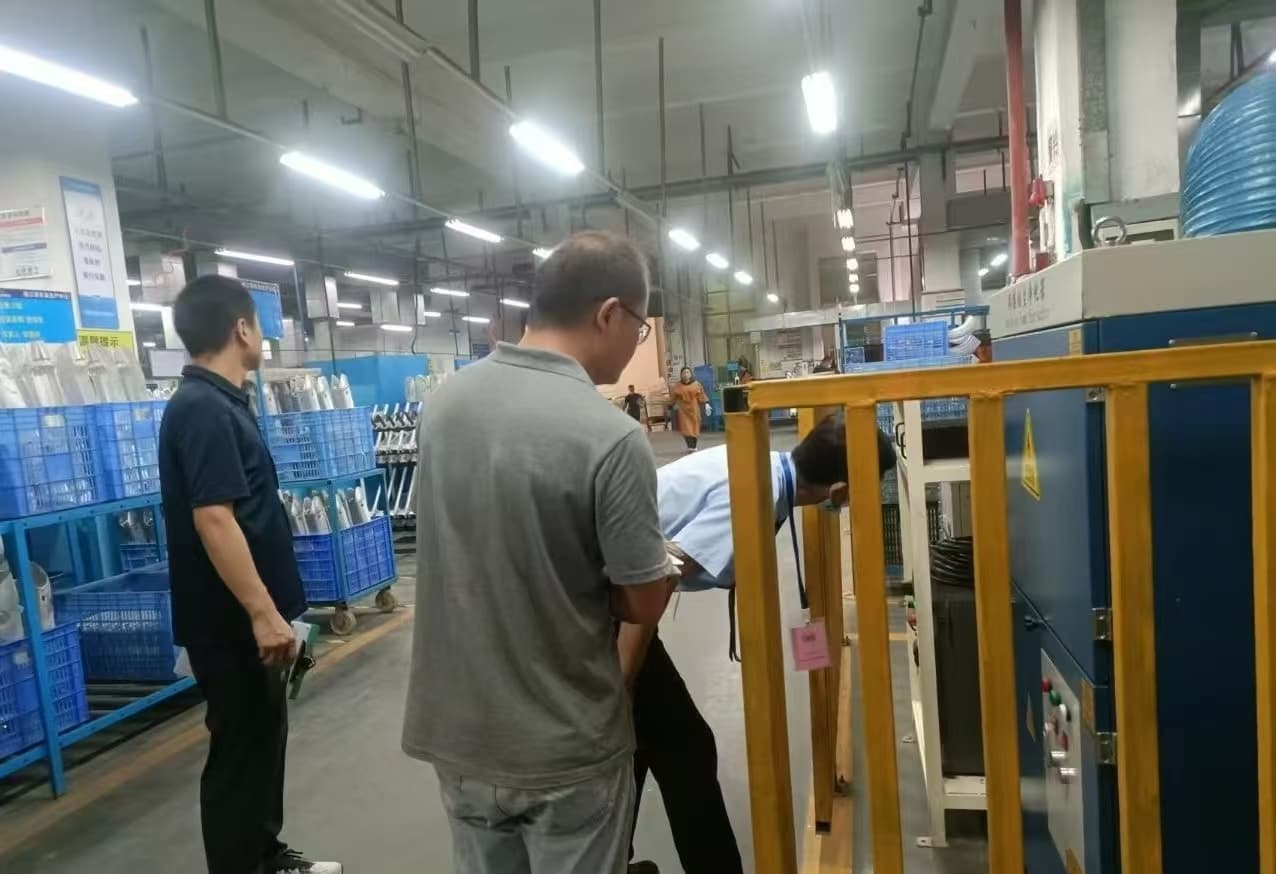
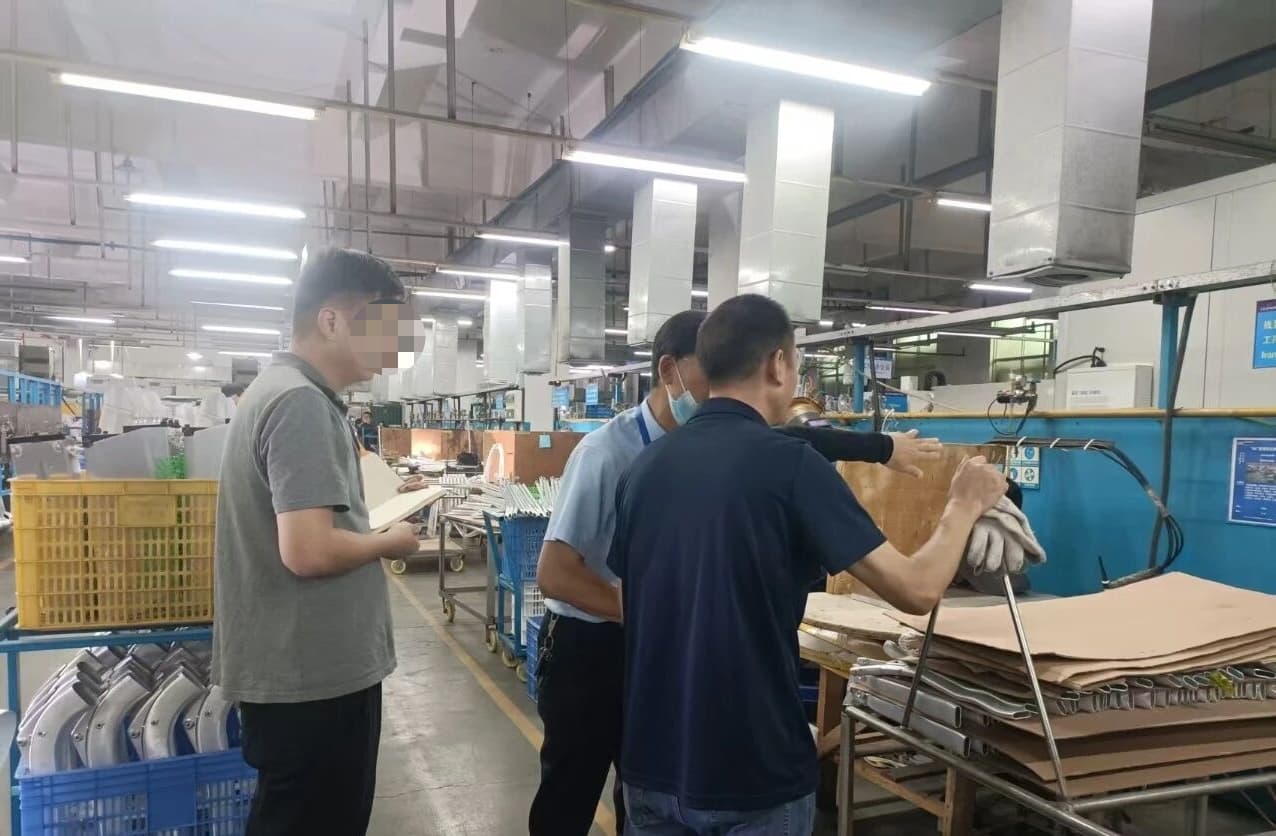
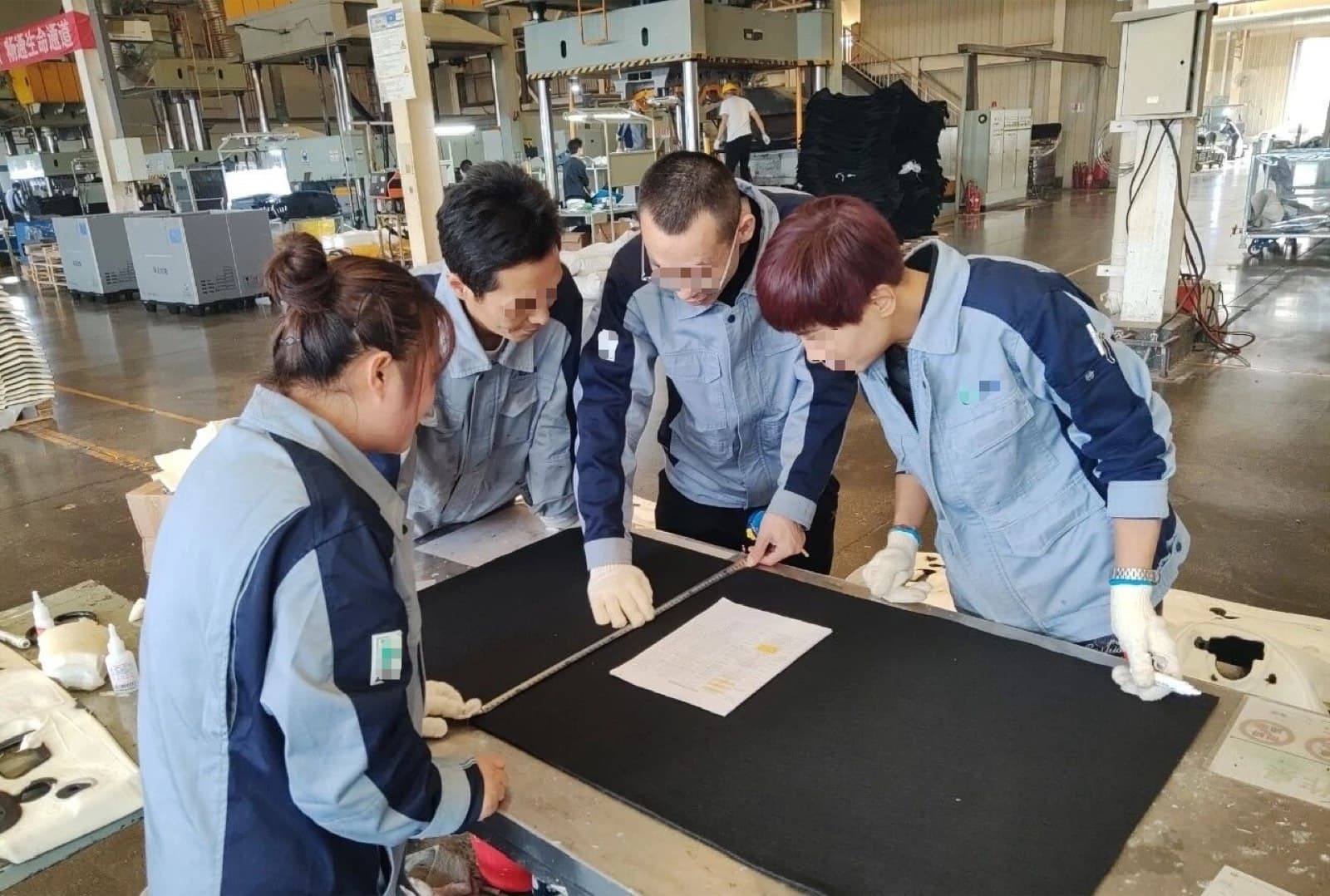
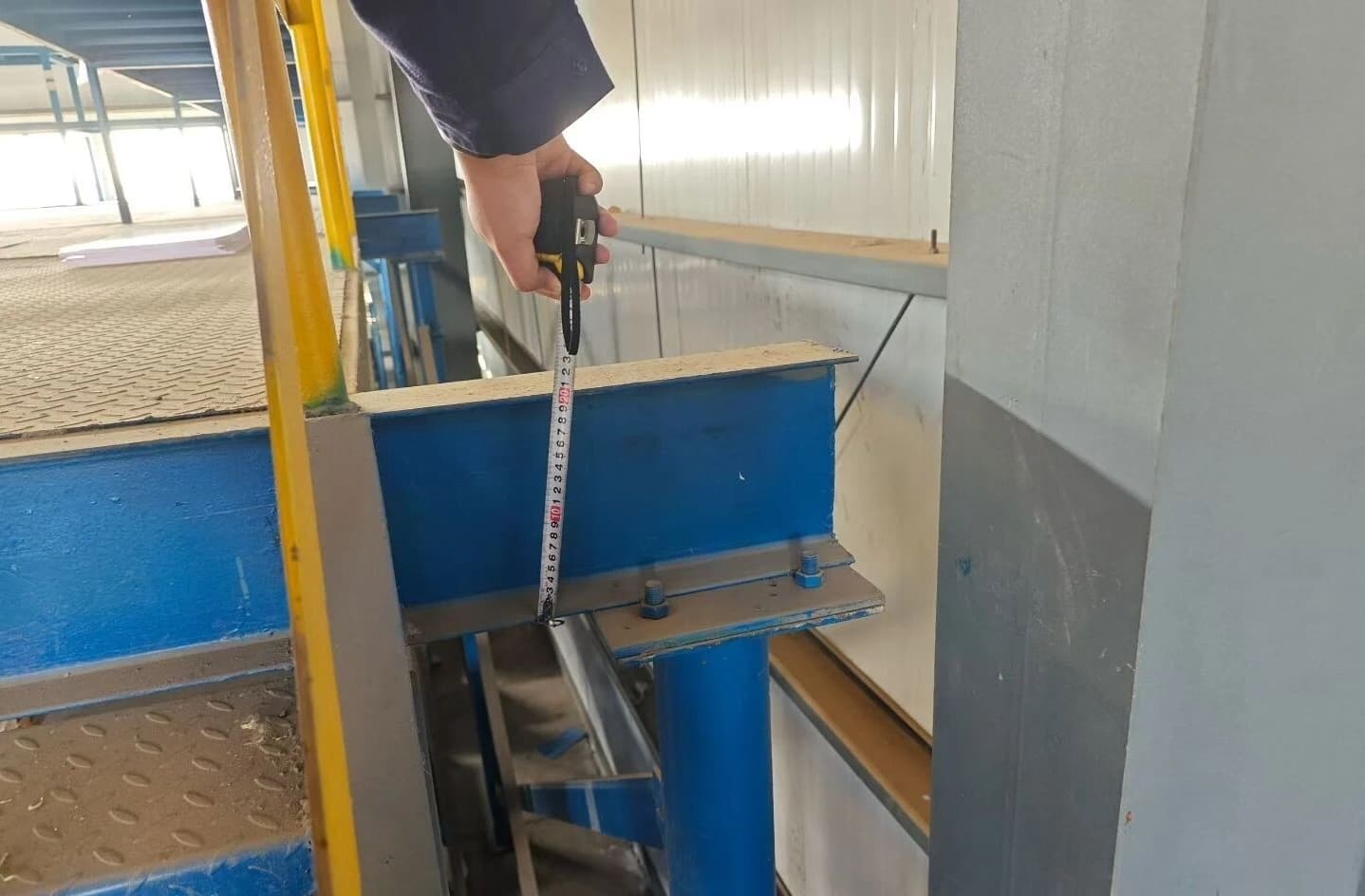
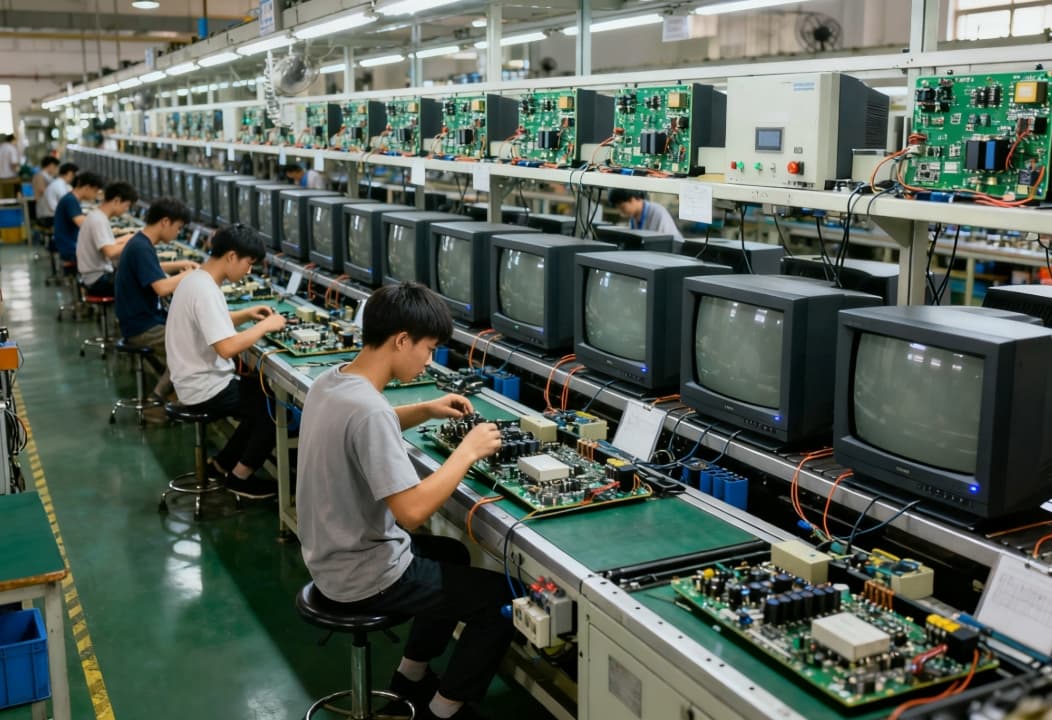
By Step 3, we already know who we’re dealing with on paper. Now we need to see what the factory really looks like on a normal working day. Our audit team goes on site and focuses on three big areas: the infrastructure, the people, and the quality system. Infrastructure We walk through the workshops, warehouses, and key production areas. Are the buildings safe and reasonably clean? Is the layout practical, or is everything squeezed together? Are the machines well-maintained, or just run until they break? A factory that doesn’t look after its own equipment usually won’t look after your orders either. Workforce We observe how the production team actually works. How many people are on the line? Who is doing what? Do they seem trained and organised, or are they just copying each other? Are basic safety measures in place? The way people work tells us a lot about how stable delivery and quality will be. Raw Materials We check what materials the factory really uses for your products, where they come from, and how they are stored. Are they using the grade they promised, or a cheaper substitute? Are materials kept dry, clean, and properly labelled? Weak or poorly stored raw materials are a shortcut to future quality problems. Quality System & Defect History Finally, we look at the factory’s quality control system itself. Are there written procedures for each step, or is everything “by experience”? Who signs off each batch? What testing equipment do they have, and do they send samples to third-party labs when needed? We also review records of defects, rework, and customer complaints to see what went wrong in the past and how they fixed it. This shows us whether the factory only puts out fires, or actually learns and improves.

Compliance Check
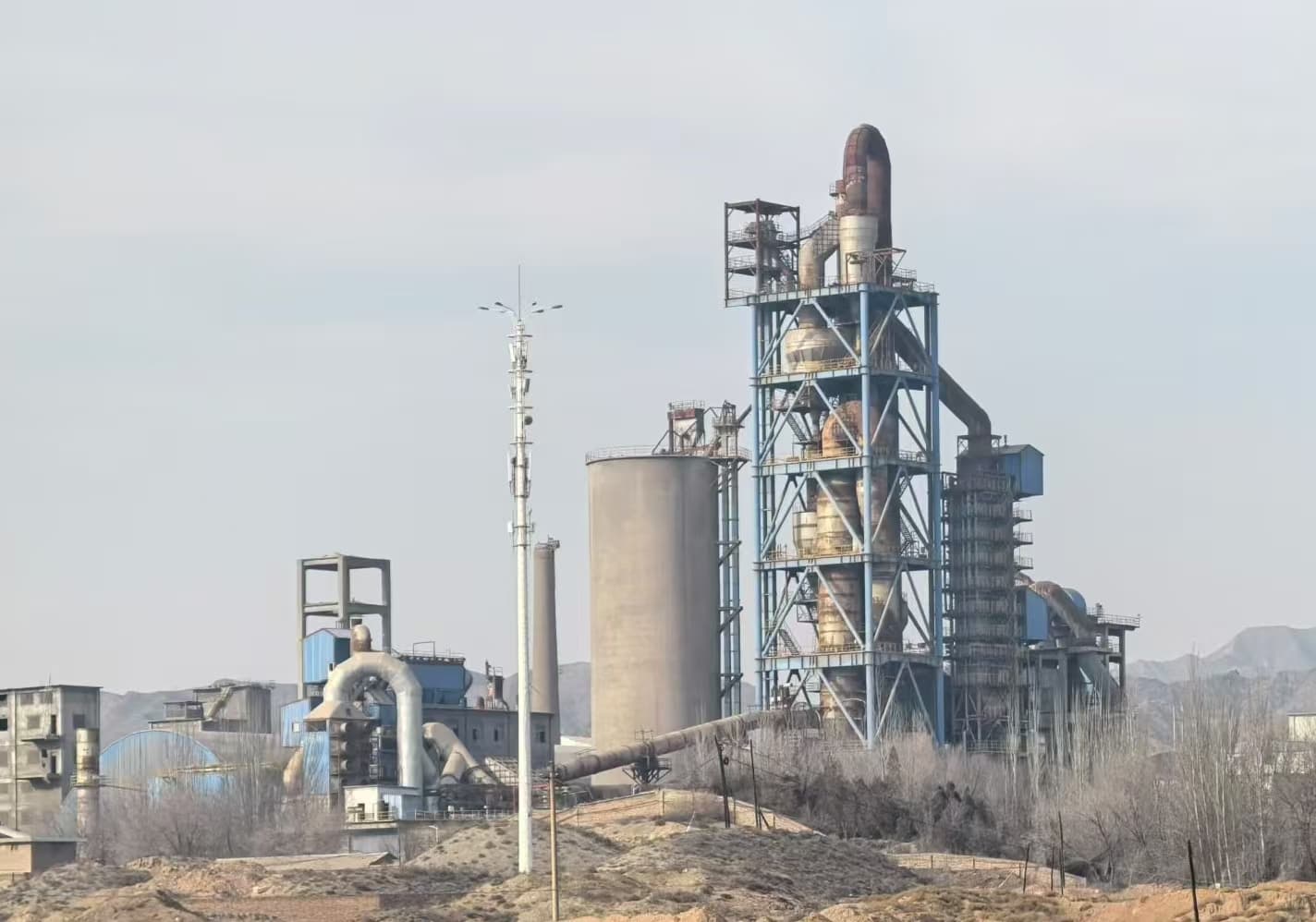
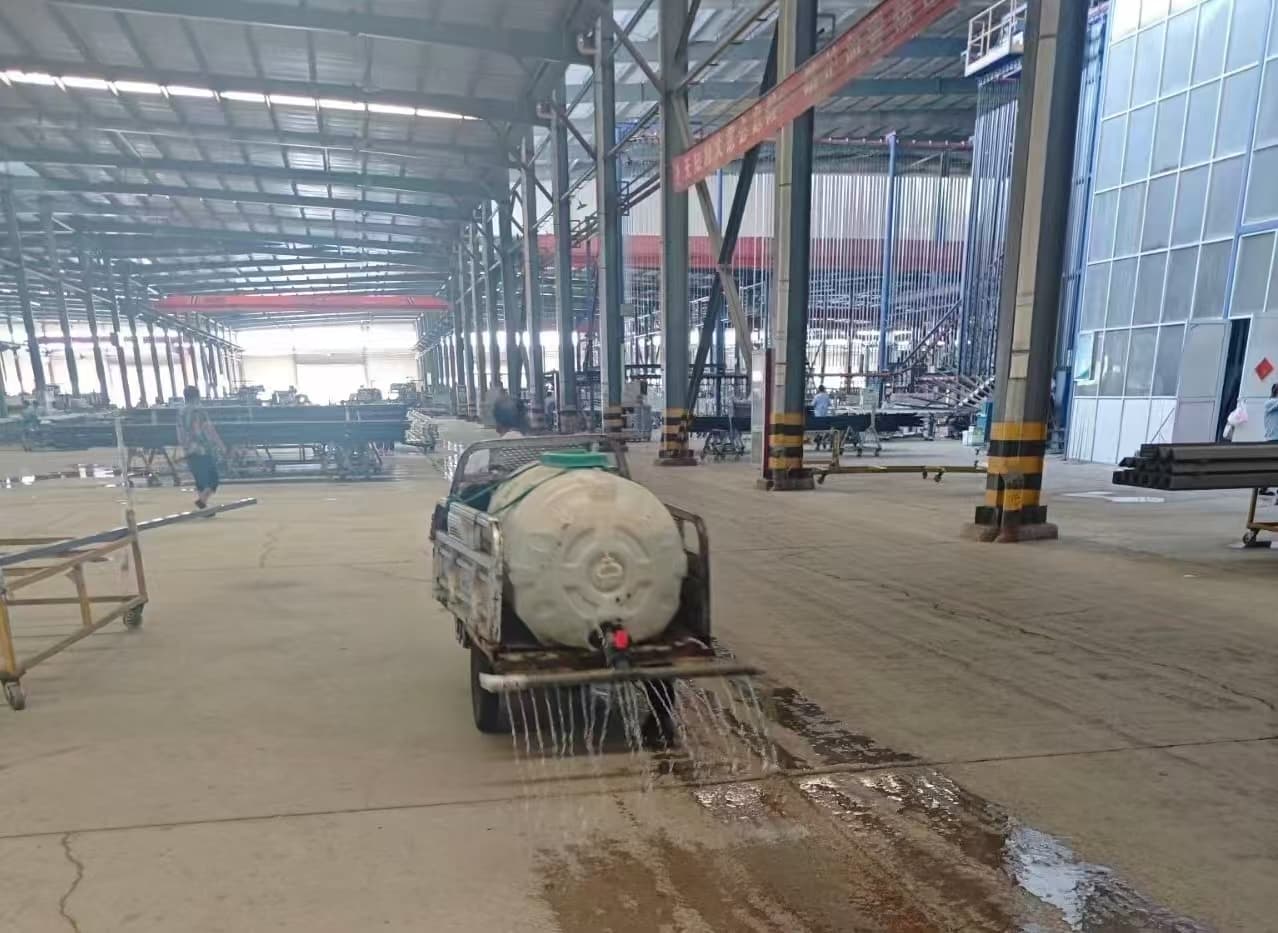
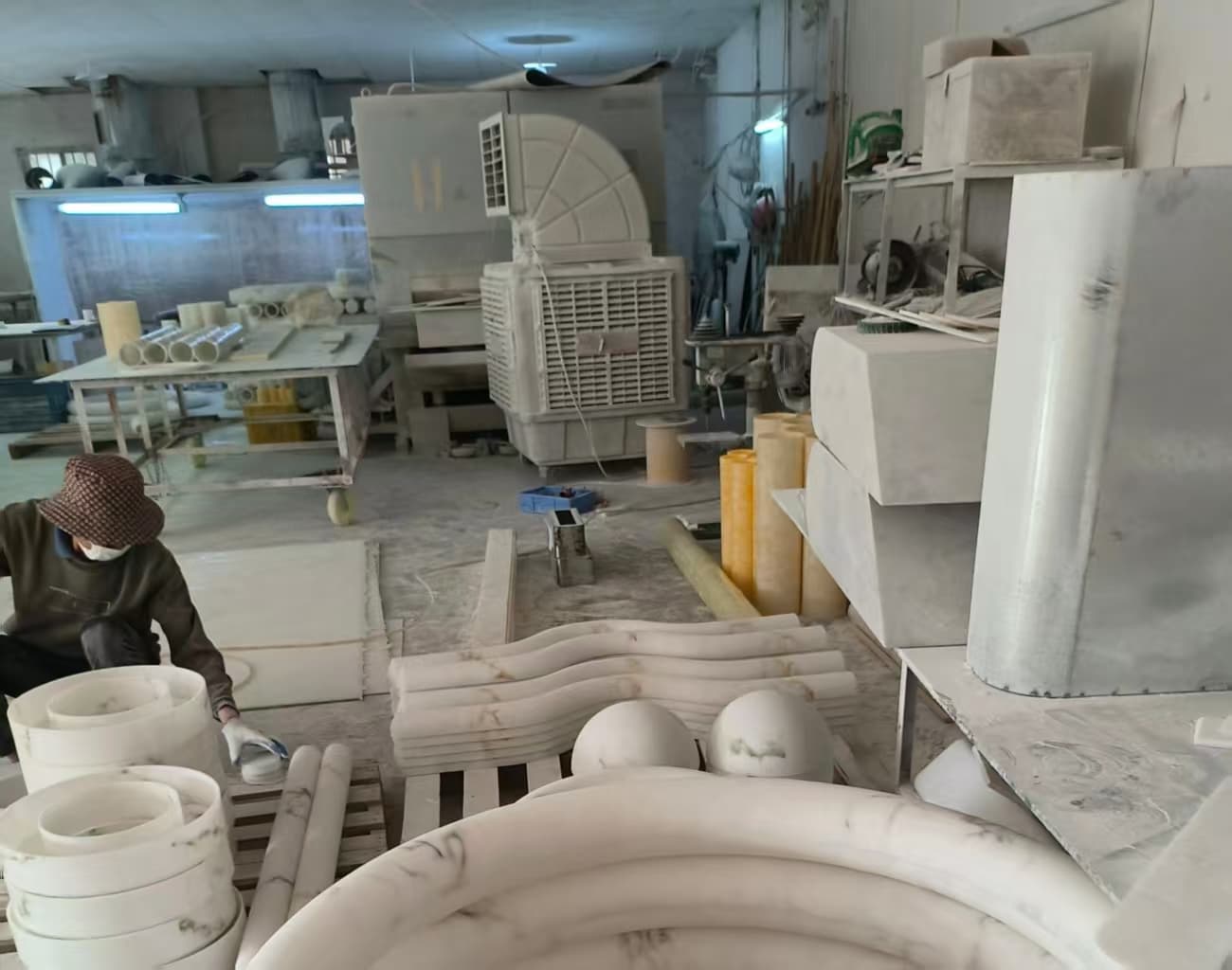
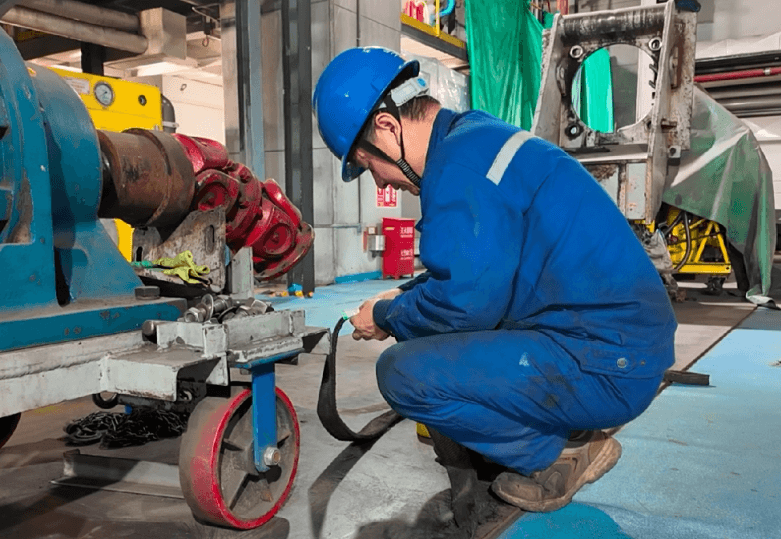
Compliance in China is not just a formality. A factory that ignores environmental, safety or labour rules can be fined, forced to slow down, or suddenly shut down. When that happens, your orders are delayed and your business takes the hit. In this step, we check whether the factory can operate legally and sustainably, without constant regulatory risk. Environmental Compliance We review how the factory handles wastewater, solid waste and air emissions. Do they have the right permits? Are chemicals and waste stored properly? Have they been warned or fined before? Poor environmental compliance is one of the most common reasons for sudden production stops in China. Labour & Social Compliance We look at how workers are hired and paid: contracts, wages, overtime, working hours and basic social insurance. We are not doing a full CSR audit for a brand, but we do want to see that the factory is not cutting obvious corners that could lead to labour disputes, inspections or strikes. Health & Safety Standards We check basic safety on the shop floor: fire exits and extinguishers, clear safety signs, personal protective equipment, and emergency training. We also ask about accident records. A serious accident can trigger investigations and halt production overnight. If we find major compliance issues at this stage, we will advise you clearly. In many cases, it is safer to walk away early than to build your supply chain on a factory that may be shut down at any time.

Production Capacity Evaluation
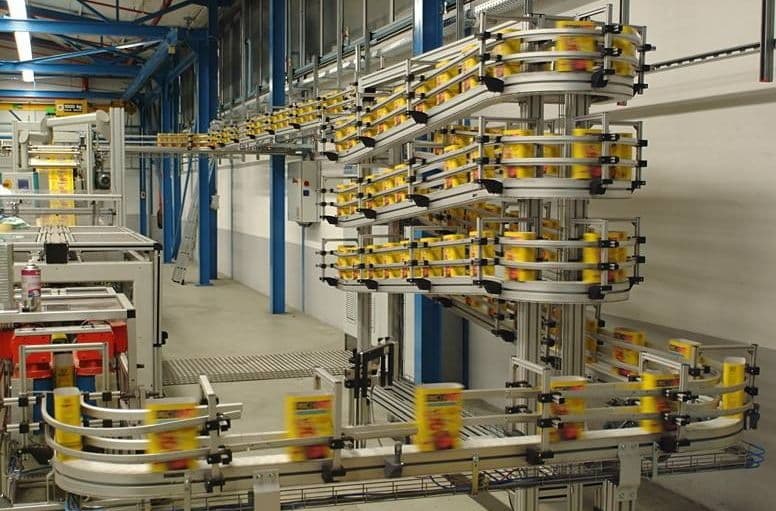
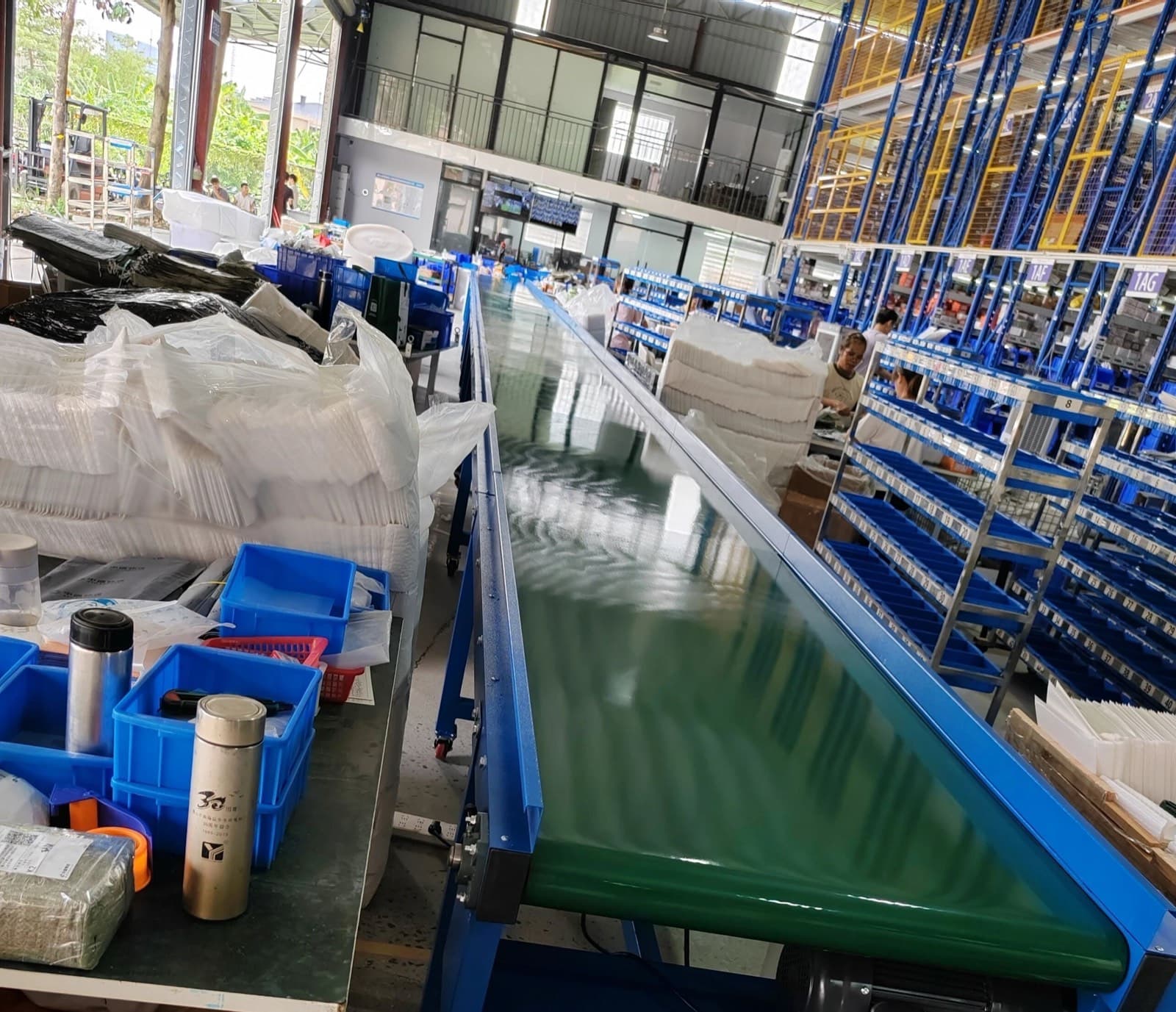
For many projects, the biggest risk isn’t quality, it’s that the factory simply can’t keep up with your orders. In this step we look at how much the factory can really produce, how stable that output is, and how fast it can deliver when your demand goes up. Capacity Analysis We don’t just take the factory’s “monthly capacity” number at face value. We look at the number of production lines, shifts, key machines and actual output records. How many units are they producing on an average week? What is the highest output they’ve reached in the past? This tells us whether they can realistically handle your current orders and any planned growth. Bottleneck Identification Every factory has bottlenecks – a slow process, an over-used machine, or one department that is always “waiting for the previous step”. We walk through the production flow to see where things pile up and why. If one painting line, testing station or key worker is holding everything back, we flag that as a risk to your delivery schedule. Lead Times We then look at the full timeline: from purchasing raw materials, to production, packing and shipment. How long does it really take to finish one order, not just on paper? What happens during peak season or around Chinese New Year? By checking their past delivery records and current workload, we can tell you whether their promised lead times are realistic or not.
Final Report & Recommendations
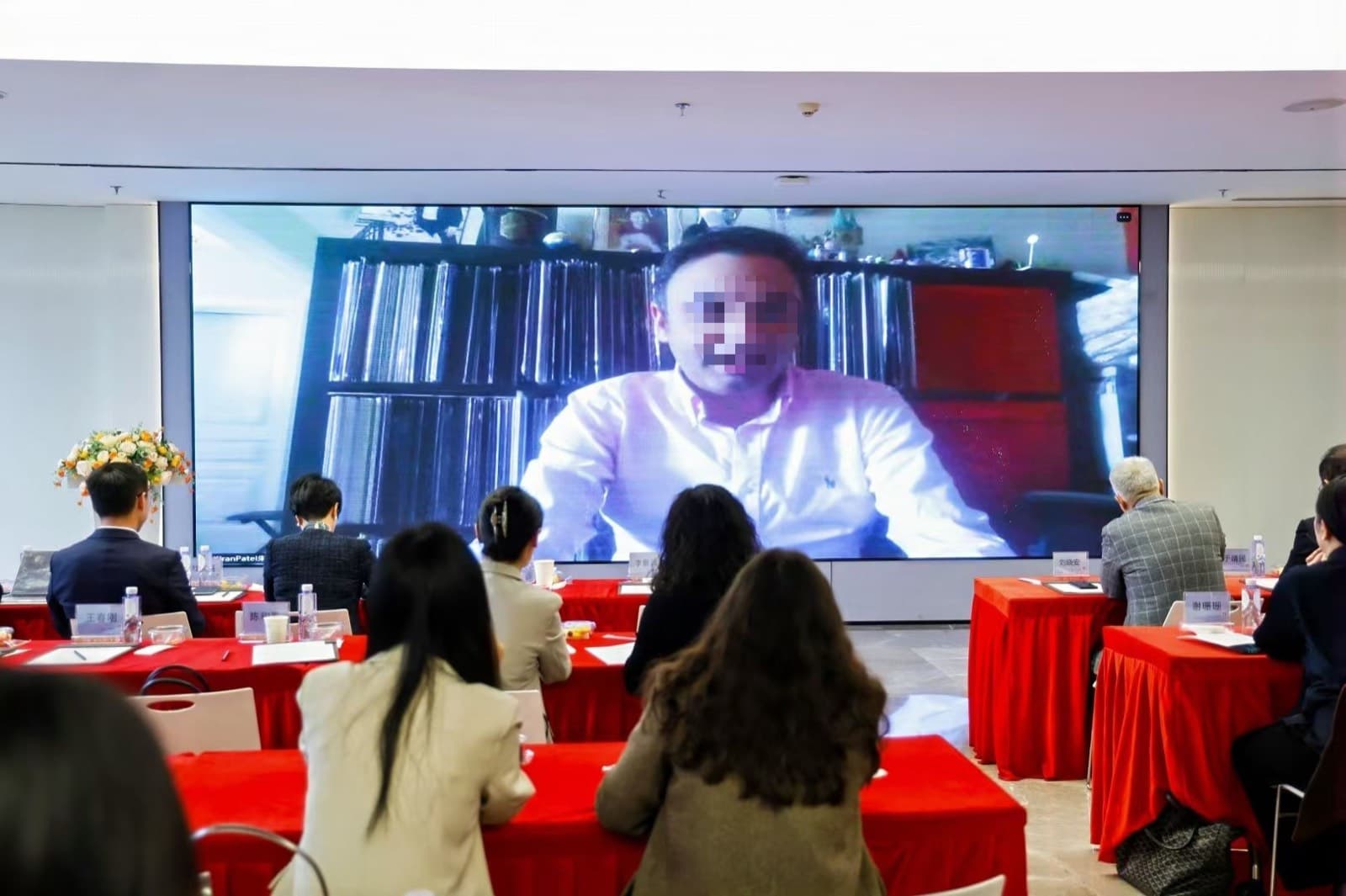
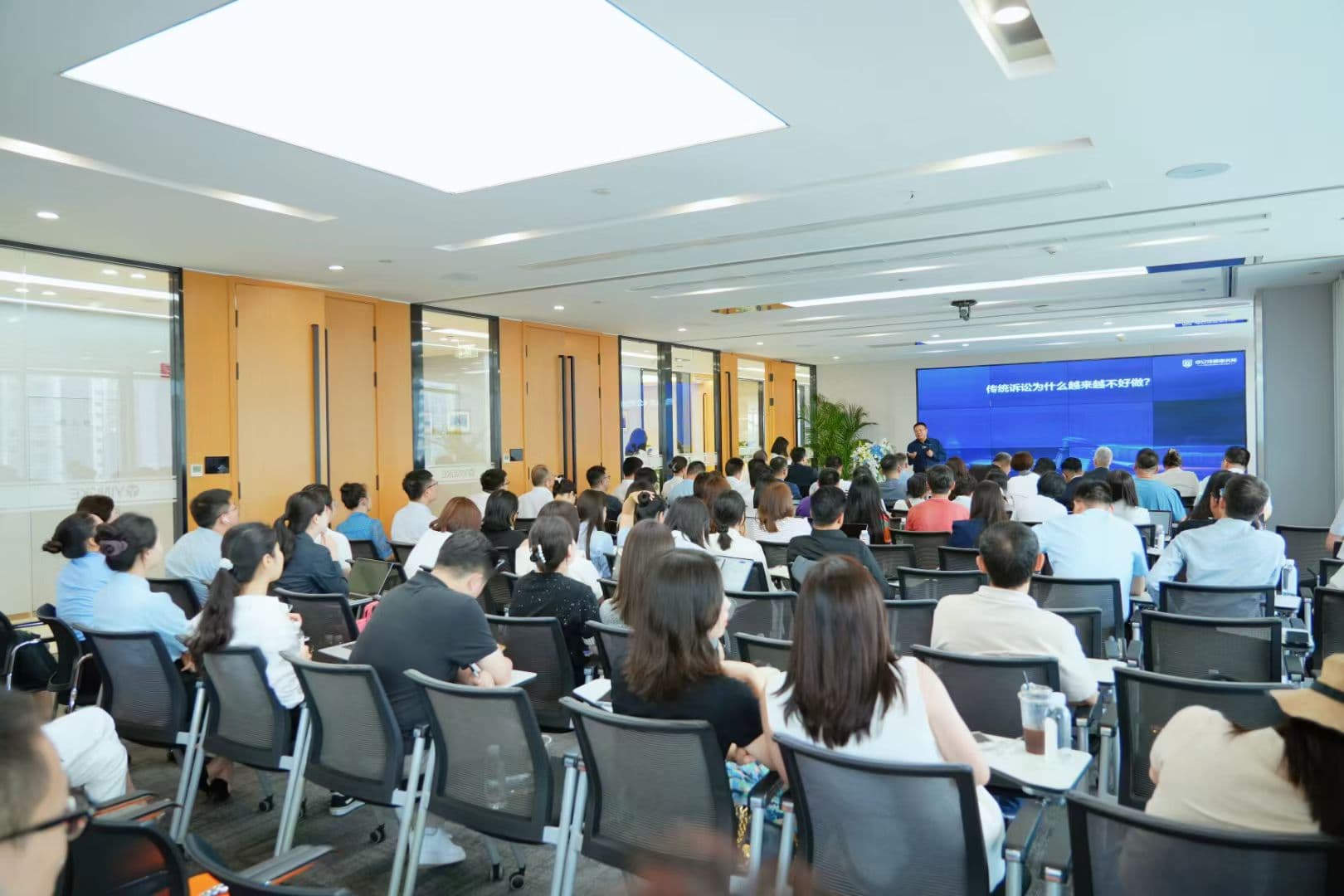
By this stage, we’ve seen the factory on paper and on site. Now the key question is simple: “Should we work with this factory, and under what conditions?” Our final report turns all the findings into clear, practical advice so you can make that decision with confidence. Findings & Risk Summary We start with a straightforward overview of what we found: Where the factory is strong (for example: stable quality, good capacity, or solid compliance). Where the main risks are (for example: weak maintenance, bottlenecks, or legal/compliance concerns). We don’t just describe the situation – we rate the key areas (such as quality, delivery, compliance, and communication) so you can quickly see what is acceptable and what needs attention. Actionable Recommendations Next, we give concrete suggestions for improvement inside the factory (if you decide to work with them), such as: which processes should be tightened, what kind of training or equipment upgrades are needed, what to monitor closely in future orders. At the same time, we also tell you what this means for your project: is this a “go”, “go with conditions”, or “better to walk away” factory? what contract terms, testing plans, or milestones we suggest to control your risk. Client Consultation & Decision Support Finally, we walk you through the report, answer your questions, and discuss different options with you. If needed, we can also help you compare several factories side by side and prepare talking points for negotiation. The goal is not just to send you a long document, but to make sure you clearly understand the risks, trade-offs, and next steps before you commit to any supplier.
Ongoing Support After the Audit
For many buyers, the real worries start after they choose a factory: Will the first orders go smoothly? What if quality drops later? We don’t just send you a report and disappear. After the audit, we stay on your side to help you follow up, solve problems, and adjust when things change. First Order Support When you place the first order with a new factory, we can help you review the PO terms, quality requirements, and inspection plan. If needed, we can also check their first production, test reports, and shipment schedule. The goal is simple: make sure the “test order” doesn’t turn into an expensive lesson. Ongoing Monitoring Factories change over time — new staff, new machines, new orders from other clients. We can arrange follow-up checks or targeted mini-audits on key points (for example quality control, capacity, or compliance) so you know if the factory is still performing at the level you expect. If we see new risks, we will flag them early so you can react before there is a serious delay or quality problem. On-Call Advice & Plan B If something goes wrong — late shipments, higher defect rates, or sudden compliance issues — you can come back to us with the facts. We help you analyse what is really happening, talk to the factory if needed, and suggest practical next steps (tightening controls, adjusting orders, or preparing a backup supplier). This way, you are not alone facing a factory in China. You have a team that understands both sides and helps you protect your business.
Want to learn more about the process?
Before you start, read our detailed guide on why verification matters.
How to verify a Chinese factory before your first order →
A structured verification before your first order is not over-thinking things; it is how you put the relationship on a safer footing.
Ready to verify your Chinese supplier?
Send us the supplier and draft deal. We check everything in China and give you a clear English risk report within a few business days.